
This guide covers the coast where most holidaymakers stay: Hammamet, Sousse, Monastir, Port El Kantaoui and Tunis. The climate figures are long-term averages from named sources (listed under each table), and the festival dates come from the Tunisian press, not from brochures.
What is the weather like in Tunisia month by month?
Hot and dry from June to September, mild and showery from November to March, with warm, settled spring and autumn months in between. The coast is gentler than the interior: the sea keeps summer nights warm and winter days soft.
| Month | High (°C) | Low (°C) | Sea (°C) | Rain days | Sunshine (h/day) |
|---|---|---|---|---|---|
| January | 16 | 8 | 16 | 4.3 | 6.6 |
| February | 16 | 8 | 14 | 3.7 | 7.1 |
| March | 18 | 9 | 15 | 4.1 | 8.6 |
| April | 21 | 12 | 16 | 4.3 | 10.0 |
| May | 24 | 15 | 18 | 3.6 | 11.5 |
| June | 28 | 19 | 22 | 1.7 | 12.7 |
| July | 32 | 22 | 25 | 1.0 | 12.7 |
| August | 32 | 22 | 26 | 2.4 | 11.8 |
| September | 29 | 21 | 26 | 5.4 | 9.8 |
| October | 26 | 17 | 23 | 5.5 | 8.3 |
| November | 21 | 12 | 21 | 4.4 | 7.4 |
| December | 17 | 9 | 18 | 4.0 | 6.7 |
Sousse and Monastir are within a degree or two of these figures. The official 1991–2020 normals for Monastir airport (Institut National de la Météorologie and NOAA) give an average August high of 33.1 °C, a January high of 16.9 °C and just 0.4 days of rain in July. Tunis-Carthage is a touch hotter in summer (34.5 °C in August) and wetter in winter, with about eight rain days a month from December to February.
Two things the averages hide. August is sticky: Weather Spark counts about 21 muggy days in Hammamet that month, so 32 °C by the sea feels heavier than the number suggests. And autumn rain tends to come in short, heavy bursts. September and October have five or six rain days each, but with 8 to 10 hours of sunshine a day, the rest of the month is mostly dry.
What is the best time to visit Tunisia for swimming?
Go between mid-June and mid-October. The sea off Hammamet averages 22 °C in June, 25–26 °C from July to September and still about 23 °C in October, warm enough for long swims.
September is the sweet spot for many people. The water is as warm as in August because the sea lags the air by several weeks, the European summer holidays are over, and daytime highs ease back to about 29 °C.
- May: sea about 18 °C. Fine for a quick, bracing dip; most people stay in the pool.
- June: sea about 22 °C and warming through the month. The second half is pleasant.
- July and August: sea 25–26 °C, the hottest air of the year and the busiest beaches.
- September: sea about 26 °C, fewer people, the odd thunderstorm.
- October: sea about 23 °C, still good for swimming, especially in the first half.
- November to April: sea 14–21 °C. Too cool for most; plan on the hotel pool, ideally an indoor one.
With young children, June and September give you warm water without the fiercest midday sun of July and August. In any month, follow the beach flags: the UK Foreign Office points out that some Tunisian beaches use a flag system and advises local advice where there are no lifeguards.
When is the best time for sightseeing and day trips?
If you came for ruins, medinas and long walking days, the best time to visit Tunisia is March to May or October to November. The coast stays bearable in summer, but inland is another climate: Kairouan’s average high is 38.1 °C in July, against about 32 °C in Hammamet.
| Month | Tunis-Carthage | Monastir | Kairouan (inland) | Tozeur (desert) |
|---|---|---|---|---|
| January | 16.4 | 16.9 | 17.8 | 17.0 |
| March | 19.4 | 19.5 | 21.7 | 23.0 |
| April | 22.3 | 21.8 | 24.9 | 27.4 |
| May | 26.5 | 25.5 | 29.7 | 32.3 |
| July | 34.0 | 32.5 | 38.1 | 40.0 |
| August | 34.5 | 33.1 | 37.9 | 39.6 |
| October | 26.7 | 26.5 | 28.2 | 29.6 |
| November | 21.5 | 21.9 | 22.8 | 22.6 |
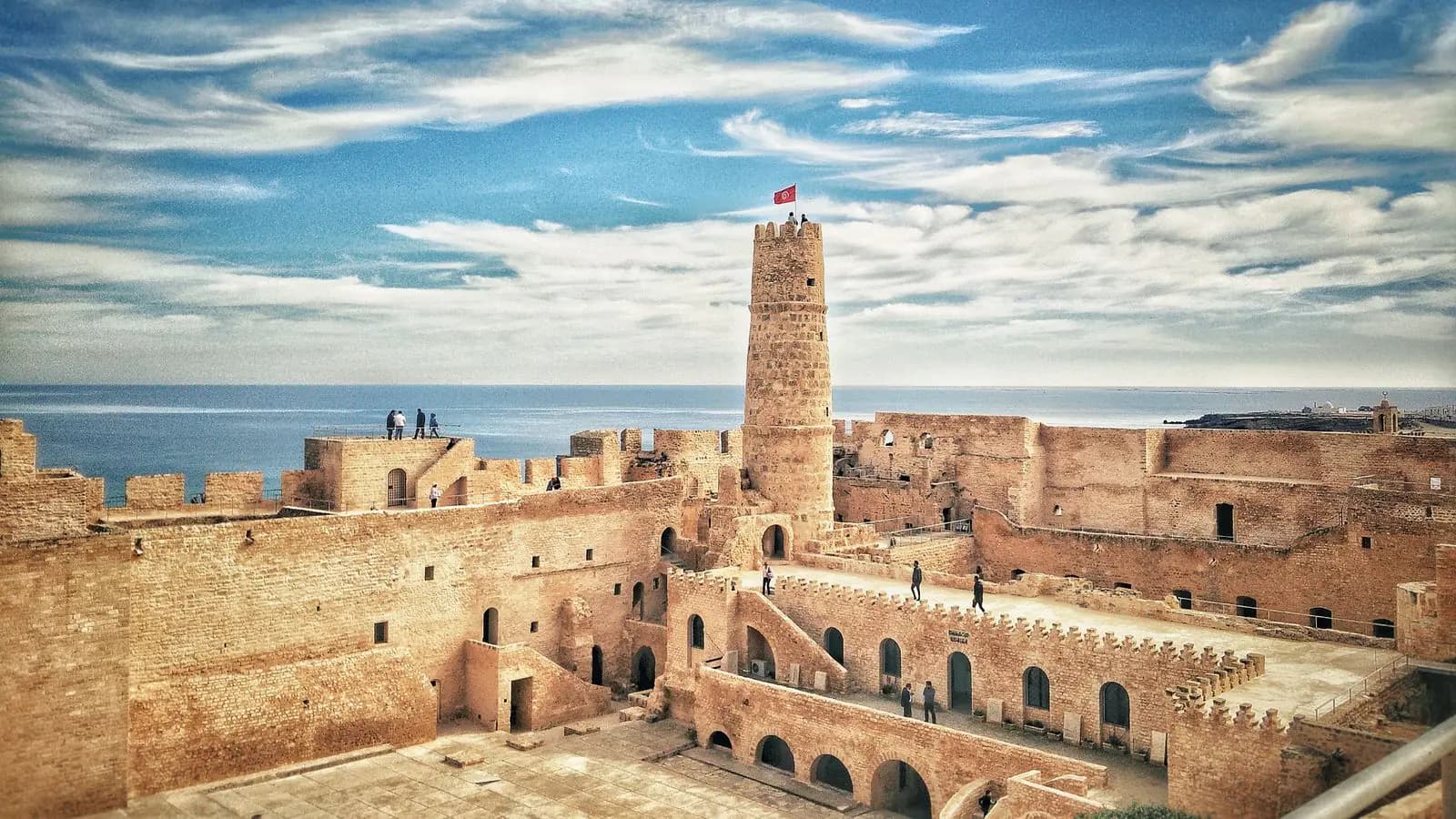
The amphitheatre at El Jem and the Great Mosque of Kairouan both sit on the central plain, and you spend most of each visit in the open. In July and August that means around 38 °C by early afternoon. Dougga, in the hills of the north-west, is a large open site on a slope, and the walk between the theatre, the Capitol and the houses is mostly in full sun.
Which day trips are best in spring and autumn?
Spring and autumn are the seasons for the long inland days. Our private El Jem Kairouan excursion leaves at 08:00 and has you back by 18:00, and in April or October you can stand in the middle of the arena at noon without watching the clock. The same goes for our Dougga Bulla Regia excursion, one of the longer drives from the coast.
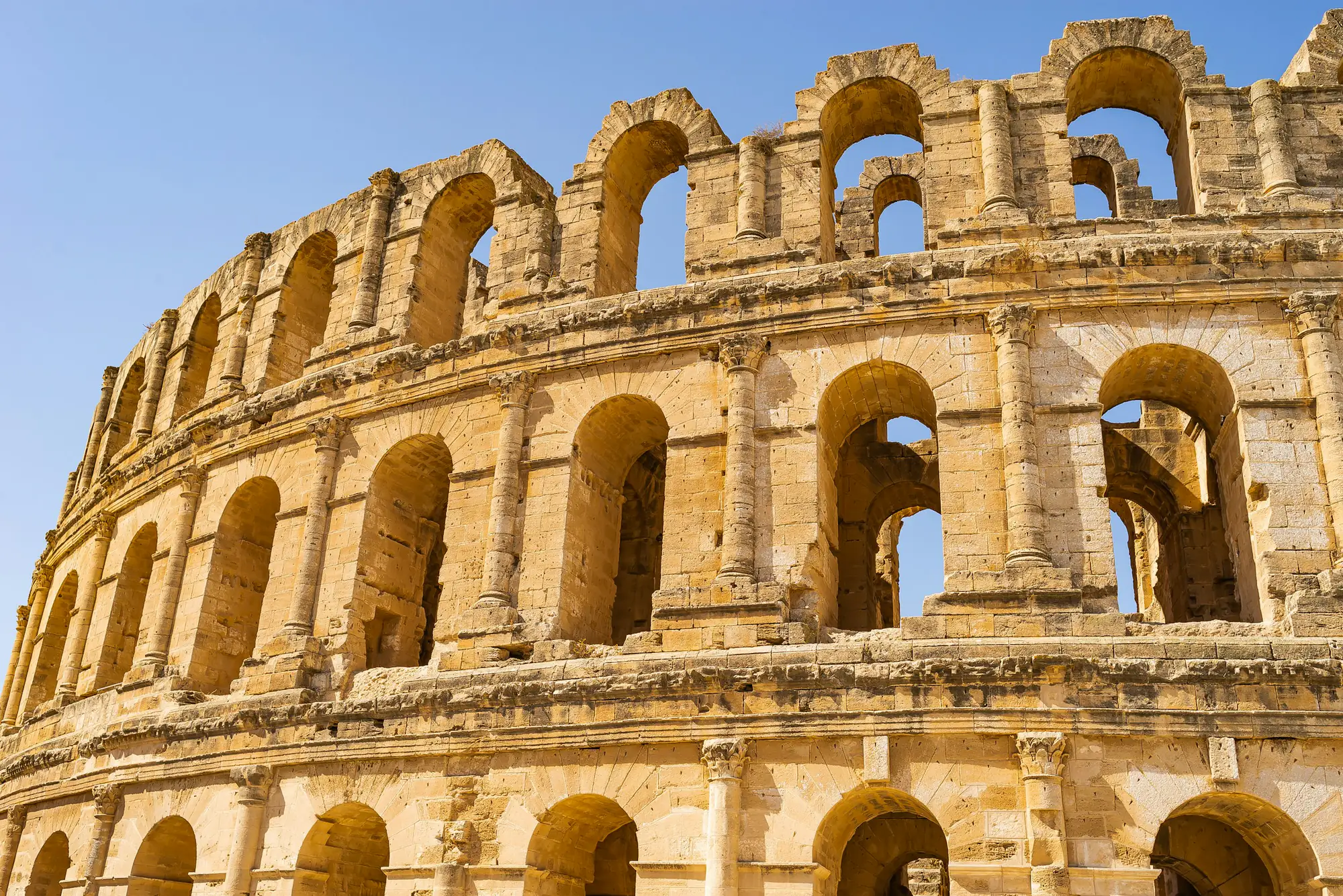 El Jem & KairouanFull day, from €90 per carSee this day
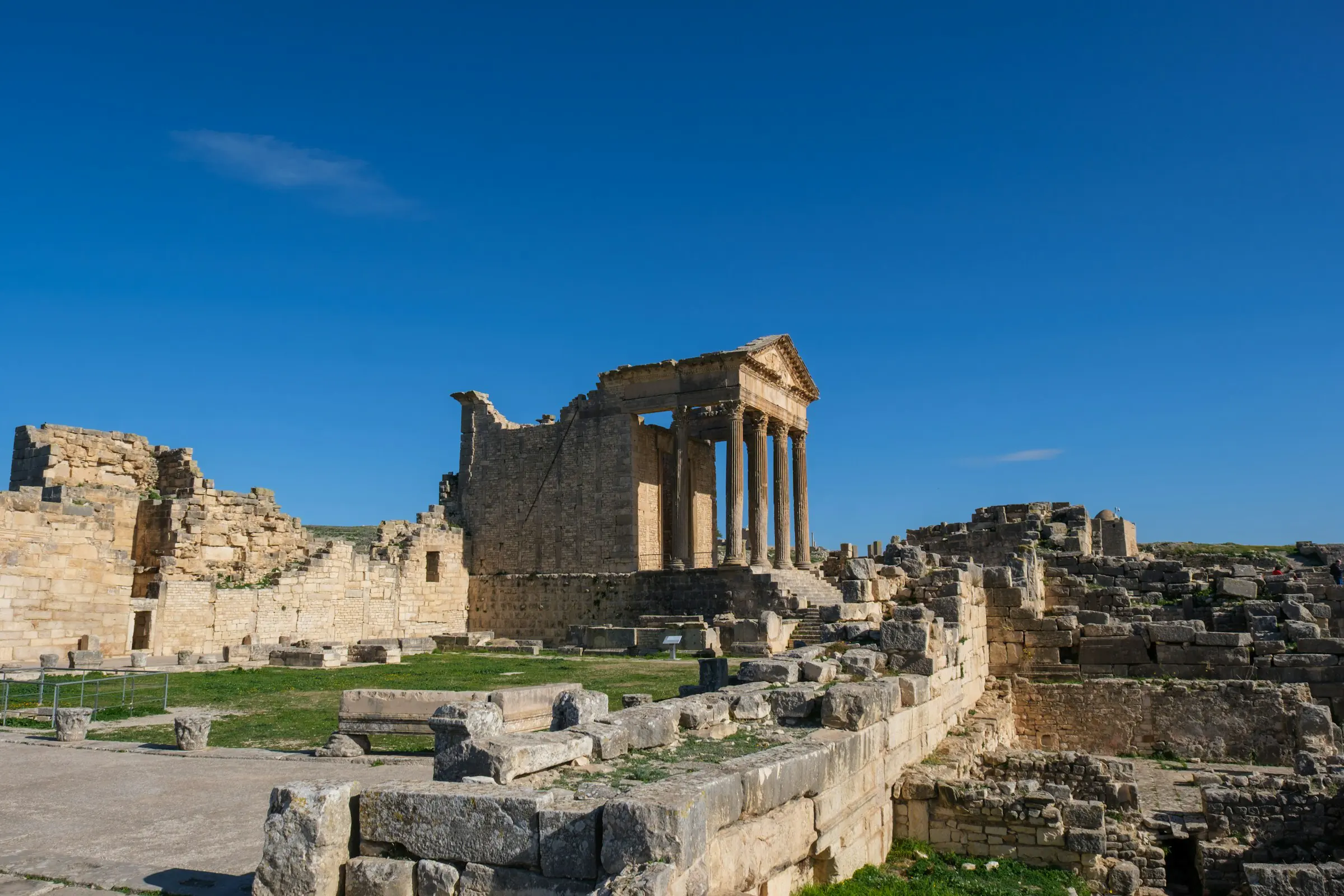 Dougga & Bulla RegiaFull day, from €120 per carSee this day
What day trips work in July and August?
In high summer, pick Tunisia excursions that stay near the sea or finish early. Our Cap Bon excursion follows the coast past Kerkouane, Kelibia and El Haouaria with a sea breeze most of the way. Kelibia’s beaches lie just below its fort, so pack a swimsuit and ask when you book whether a swim stop fits the day. Our Friguia Park excursion runs 08:30 to 13:00, so you are back for lunch and the pool.
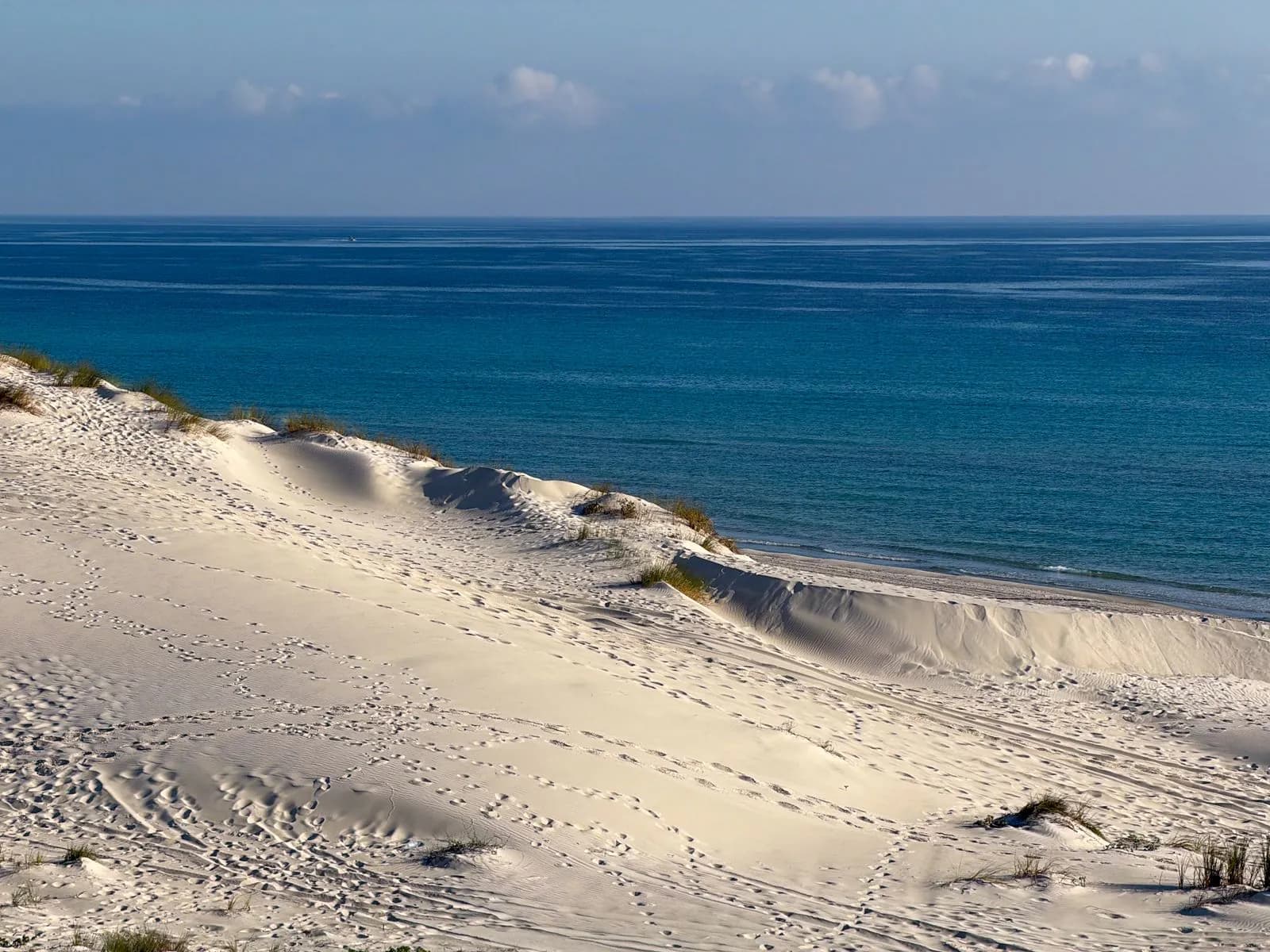 Cap BonFull day, from €90 per carSee this day
When is the best time to visit the Sahara in Tunisia?
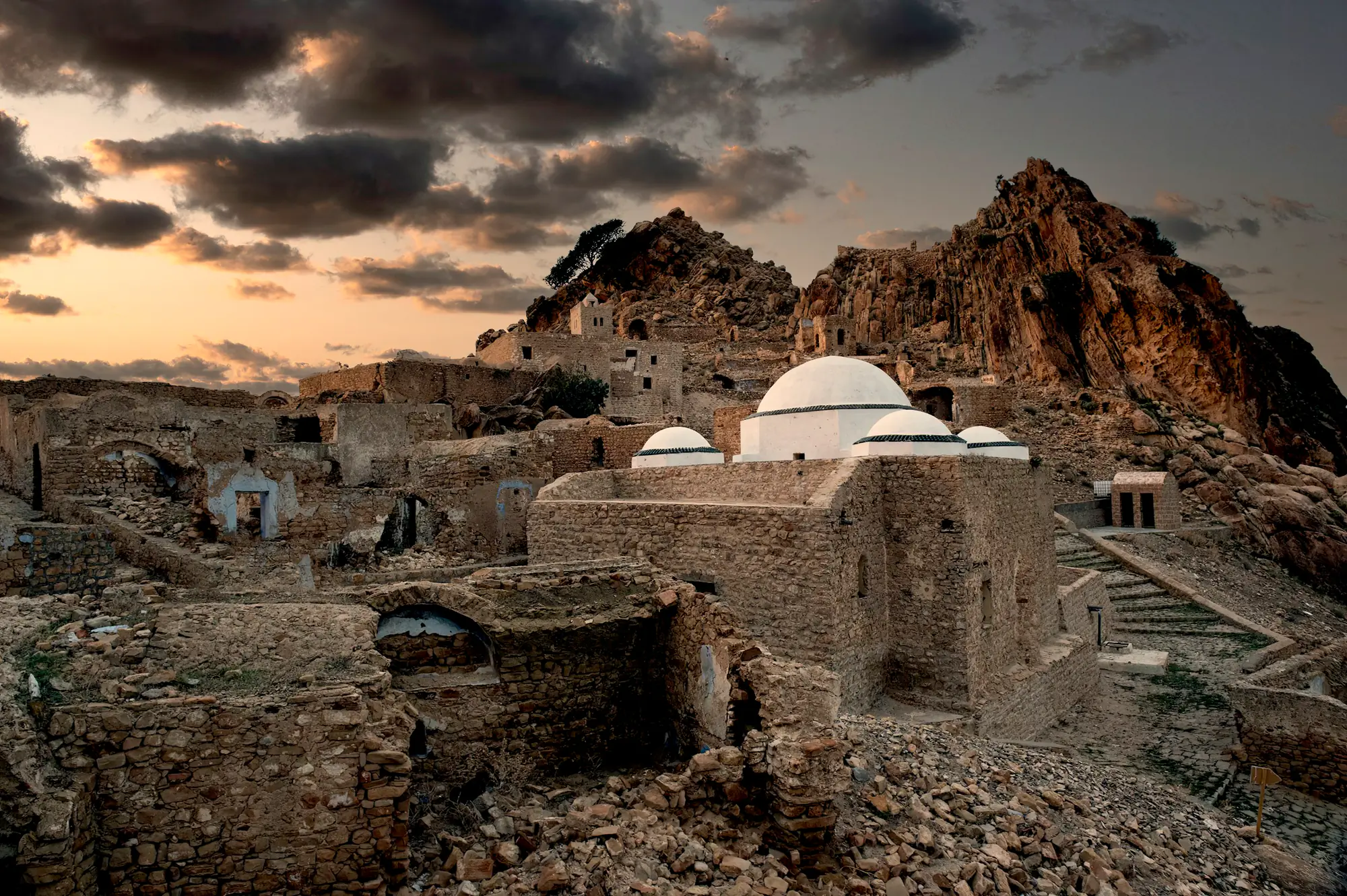
October to April. Tozeur, on the edge of the desert, averages 40 °C in July but a comfortable 23–30 °C in March, April and October. Winter days are mild (17 °C in January), yet nights are cold, with average lows around 7 °C, so bring a warm layer for a night in the dunes.
The Festival International du Sahara in Douz is the big event of the desert year, a celebration of nomad culture held in late December. The 57th edition ran from 25 to 28 December 2025, with pre-festival events from 22 December.
To be clear about what we do: we don’t run Sahara trips. Our private day trips cover the north, within a day’s drive of Hammamet, Sousse and Tunis, and the desert is too far for a there-and-back day. For the dunes you need a tour of two days or more, sold by travel agencies and hotel tour desks; book it for spring or autumn.
When is Tunisia cheapest and least crowded?
November to March is the cheapest and quietest period, outside Christmas, New Year and the February half-terms. July and August are the busiest and most expensive, because the school summer holidays in the UK, France, Germany and Italy all overlap then.
| Season | Months | Crowds | Hotel prices | Best for |
|---|---|---|---|---|
| High | July, August | Busiest beaches, full hotels | Highest of the year | Swimming, festivals |
| Shoulder | April to June, September, October | Moderate, busier in school holiday weeks | Mid-range | Most travellers: beach from June, sightseeing |
| Low | November to March | Quiet | Lowest, many package deals | Sightseeing, walking, budget trips |
When you pick the best time to visit Tunisia on a budget, school holidays matter more than the weather, so check the calendar before you book. French schools break for Toussaint from 17 October to 2 November 2026. German autumn holidays in 2027 fall between 4 October and 6 November depending on the state. Italian schools close for Easter from 25 to 30 March 2027. In the UK, half-term dates are set by local councils, so check yours on GOV.UK.
Our own day trips are a fixed price per car through local agencies, set by group size, not per person, so the saving grows with your group. Cap Bon from Hammamet is €90 for up to four people, which is €23 each for four. A seat on a hotel coach tour can be cheaper if you travel alone; from two or three people, a private car usually wins. There is a full breakdown in our guide to how much excursions in Tunisia cost.
When is Ramadan 2027, and what changes for visitors?
Ramadan 2027 is expected to start around Monday 8 February 2027 and end with Eid al-Fitr around 9 or 10 March, according to astronomical forecasts reported by Tuniscope. The exact dates depend on the moon sighting, so check again a few weeks before you fly.
- In resort hotels little changes. The UK Foreign Office notes that alcohol is not sold during Ramadan and fewer bars serve it, but that these rules do not apply in holiday resorts.
- Outside the resorts, many cafés and restaurants close during the day and office hours are shorter, according to the German Foreign Office.
- Avoid eating, drinking, smoking or chewing gum in public in daylight; it can cause offence.
- After sunset the mood changes: families break the fast together and the streets and cafés fill up late into the evening.
For a day trip, the main practical change is lunch. Lunch isn’t included in our trips anyway; during Ramadan, ask your driver in the morning where you can eat on the way. The upside: Ramadan 2027 falls in late winter, so heat is not an issue.
Which festivals and events are worth timing your trip for?
July and August are festival season on the coast, and late December belongs to the desert. These are the three big ones, with their latest confirmed dates.
- Hammamet International Festival: the 60th edition ran from 11 July to 13 August 2026, with 32 shows by artists from 12 countries in Hammamet’s open-air theatre.
- Carthage International Festival: also in its 60th edition in 2026, it ran from 16 July to 19 August, with 20 evenings in the ancient theatre at Carthage.
- Festival International du Sahara, Douz: late December; the 2025 edition ran from 25 to 28 December.
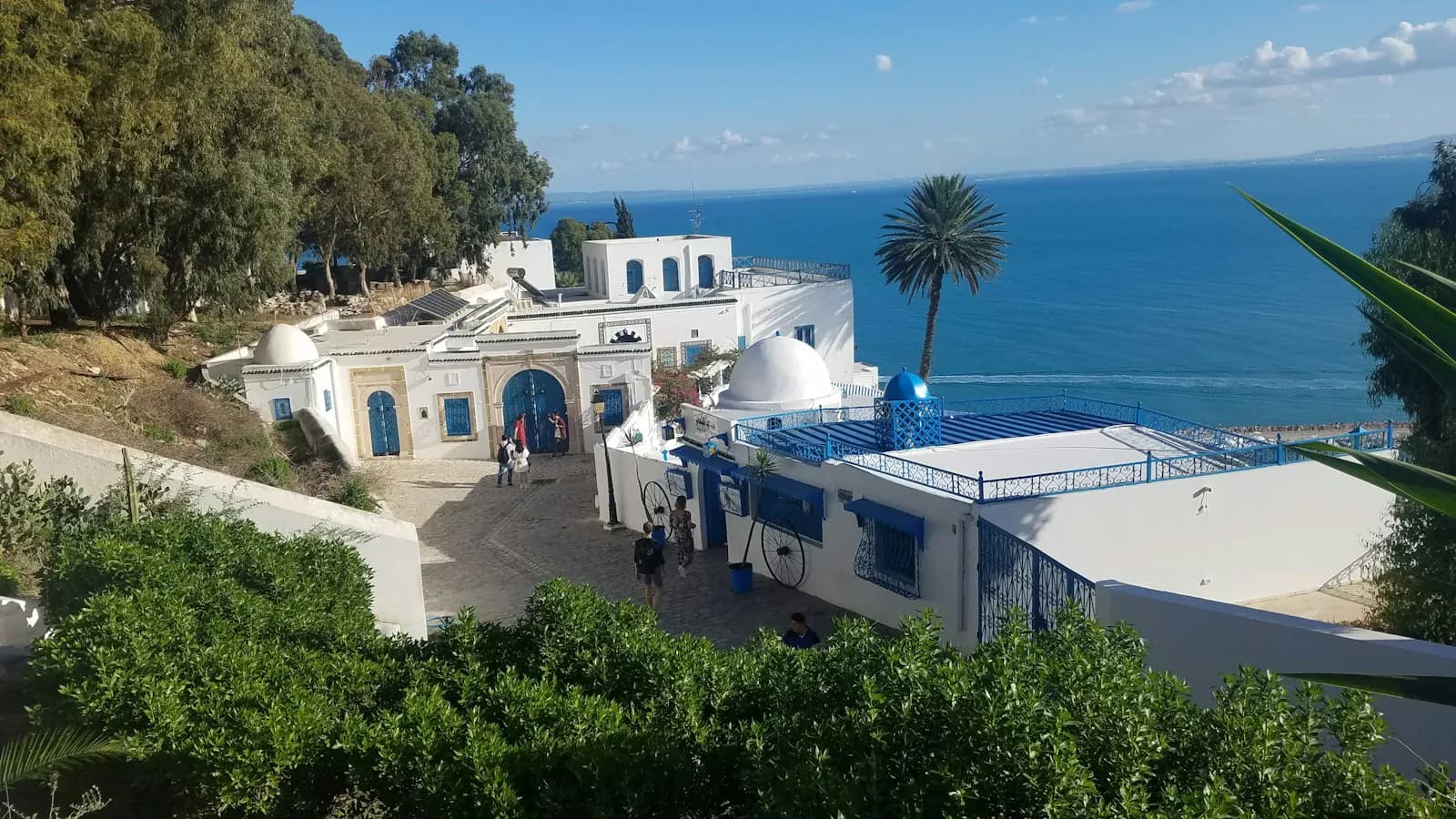
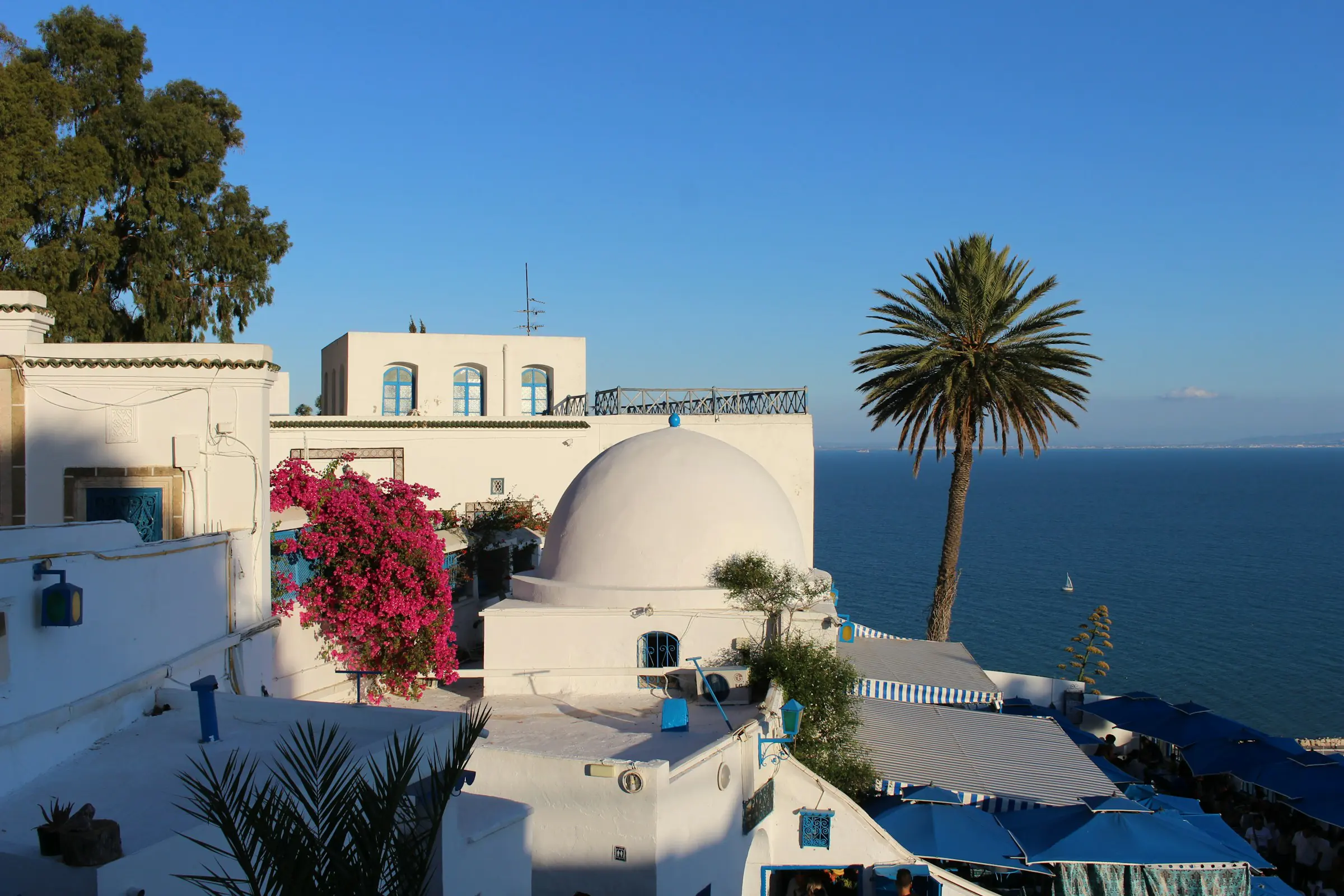
Shows are in the evening, so they don’t clash with a day trip. If you’re in Tunis or Hammamet in July, pair a Carthage concert with our daytime Tunis Carthage Sidi Bou Said excursion. Sidi Bou Said was added to the UNESCO World Heritage List in July 2026, and our Sidi Bou Said guide covers what to see there.
So which month should you choose?
For most people, the best time to visit Tunisia is late May to June or September to October: warm sea from mid-June, comfortable sightseeing and fewer crowds than in high summer. Beyond that, it depends on who is travelling.
- Families: June or September if you can travel outside school holidays. Tied to July and August? Stay close to the beach, choose short outings such as Friguia Park, and save the inland ruins for another trip.
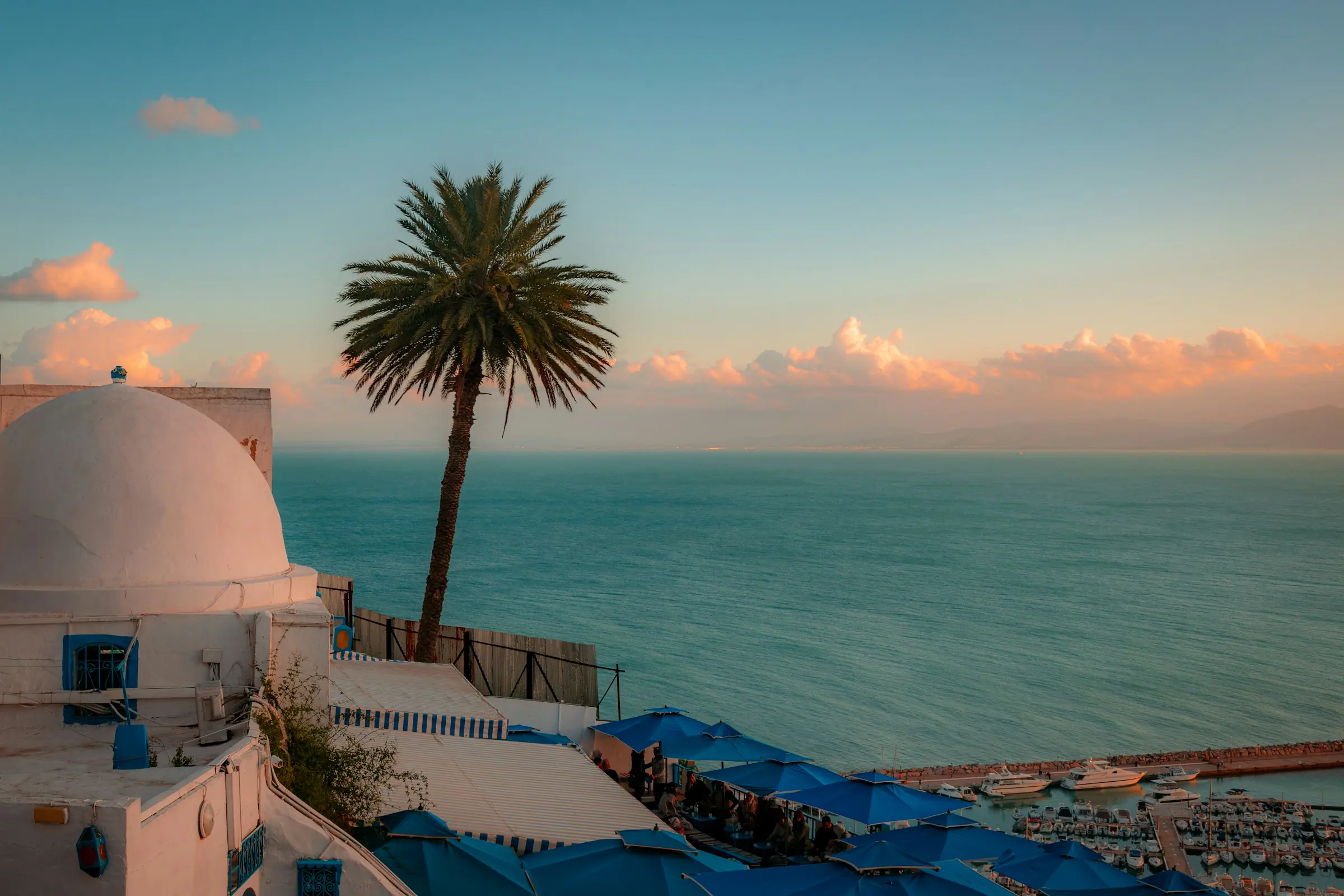
- Couples: May, late September or October. Warm days, quiet evenings and the sunset over the Gulf of Tunis from Sidi Bou Said without the summer crowds.
- History lovers: March to May or October to November, for El Jem, Kairouan, Dougga and the Tunis medina in mild weather.
- Budget travellers: November to March, avoiding Christmas and the February half-terms. Bring a jacket and plan on the pool rather than the sea.
- Desert fans: October to April, ideally with the Douz festival in late December.
A couple in Hammamet in August can still have a great week: swim in the morning, rest through the afternoon, and choose Cap Bon over El Jem. For ideas, read our guide to excursions from Hammamet, and check whether Tunisia is safe to visit for the current travel advice.
Once you have dates, book your private day trip: written confirmation within two hours, no deposit, payment to the driver at the end of the day and free cancellation up to 48 hours before.
Questions people ask
Is Tunisia warm in October?
Yes. In Hammamet, October highs average about 26 °C and lows about 17 °C, and the sea is still around 23 °C, so swimming is comfortable. Expect five or six days with rain, usually short showers or a thunderstorm. Bring a light layer for the evenings, which cool down quickly after sunset.
Is Tunisia warm in December?
Mild rather than warm. On the coast, December highs are about 17 °C and lows about 9 °C, with the sea near 18 °C, too cool for most swimmers. Tunis averages about eight rain days. It is a pleasant month for medinas and Roman sites, and one of the cheapest for hotels, outside the Christmas week.
Can you swim in Tunisia in May?
You can, but the water is cool. The sea off Hammamet averages about 18 °C in May, rising to about 22 °C in June. Most visitors use the hotel pool in May and switch to the sea from mid-June. Daytime highs around 24 °C make May ideal for sightseeing instead.
What is the cheapest month to go to Tunisia?
January, February outside the half-term weeks, and November are usually the cheapest months for hotels and package holidays. The weather is mild but changeable, with coastal highs of about 16–21 °C. Prices climb again at Christmas, New Year and in the February half-terms, when families travel.
Is it a good idea to visit Tunisia during Ramadan?
Yes, if you plan for it. Resort hotels run normally and the evenings after sunset are lively. Outside the resorts, some cafés close by day, alcohol is harder to find, and you should not eat or drink in public in daylight. Ramadan 2027 is expected from about 8 February to 9 or 10 March.
Sources
- Weather Spark: Climate and Average Weather Year Round in Hammamet, Tunisia
- Climate-Data.org: Hammamet climate (temperature, sunshine, water temperature)
- Wikipedia: Monastir, Tunisia (climate table, INM and NOAA 1991–2020 normals)
- Wikipedia: Tunis (Tunis-Carthage climate table, 1991–2020 normals)
- Wikipedia: Kairouan (climate table, 1991–2020 normals)
- Wikipedia: Tozeur (climate table, 1991–2020 normals)
- GOV.UK: Tunisia travel advice, safety and security (Ramadan, beaches, alcohol)
- Auswärtiges Amt: Tunesien, Reise- und Sicherheitshinweise
- Tuniscope: Ramadan 2027, expected dates of the holy month and Eid al-Fitr
- La Presse via AllAfrica: 60th Hammamet International Festival, 11 July to 13 August 2026
- AllAfrica: 60th Carthage Festival programme, 20 evenings
- WebManagerCenter: Festival du Sahara de Douz 2025 programme
- Ministère de l’Éducation nationale: calendrier scolaire 2026–2027
- Schulferien.org: Ferien Deutschland 2027
- Orizzonte Scuola: calendario scolastico 2026/2027 regione per regione
- GOV.UK: School term and holiday dates